Ramadan 2026 in Dubai is coming to an end. After a month that significantly slowed the daily pace of the city and shifted life into the evening hours, Eid al Fitr arrives, a holiday marking the end of fasting and the beginning of a period of celebration, gatherings, and a return to normal routines. This year, however, this transition is taking place in a different context than in previous years. Alongside the traditional return of activity, current geopolitical tensions in the region are also coming into play.
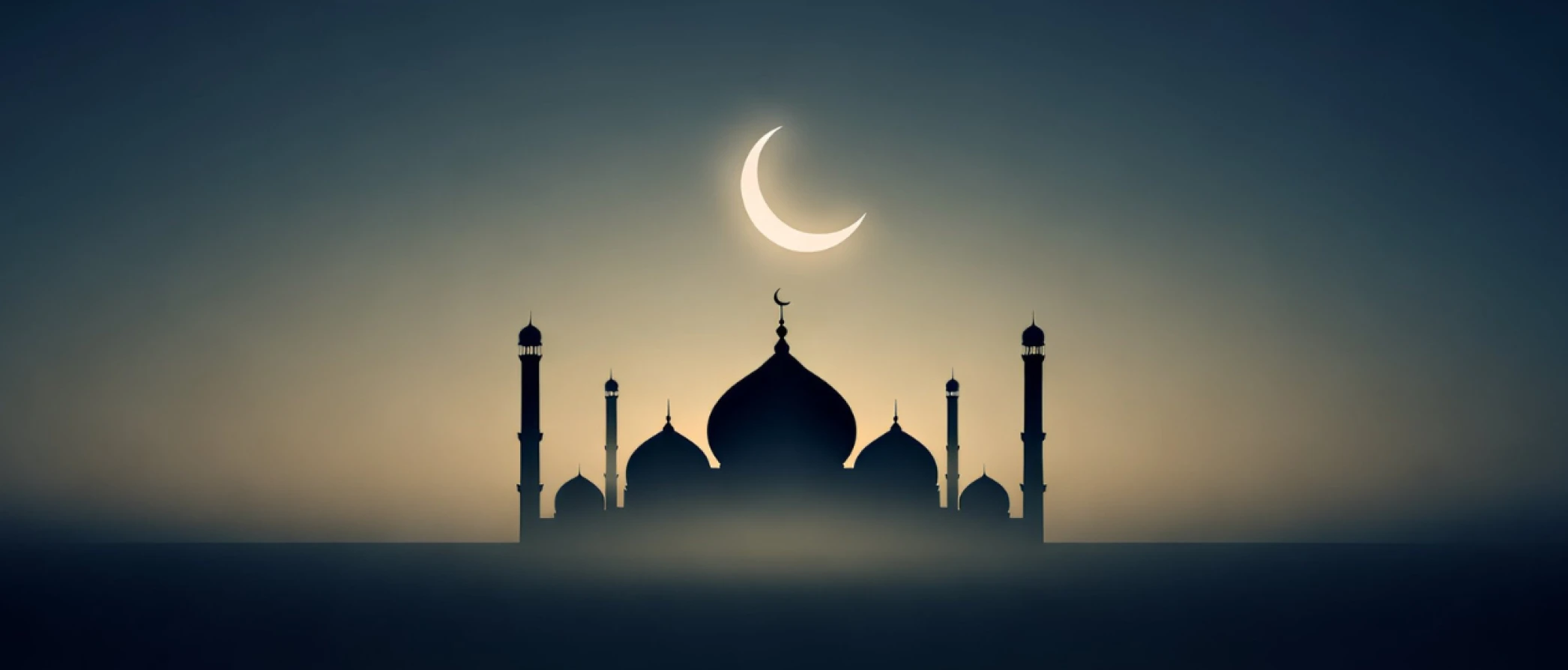
Based on the official moon sighting, the new crescent was not observed in the UAE on March 18. Ramadan therefore lasts thirty days this year, with its final day falling on March 19, 2026. Eid al Fitr begins on Friday, March 20, in line with decisions across the UAE and most Gulf countries.
The holiday marks the end of fasting and brings several days off, during which Dubai traditionally returns to full pace. Retail, hospitality, and tourism enter one of the most active periods of the year, and the city comes back to life.
In typical years, the end of Ramadan represents a clear restart. Activity that shifted to evening hours and slowed during the month returns to its standard rhythm. Companies resume full operations, meetings increase, and the market gradually regains momentum.
This effect is also visible in the real estate market. Ramadan is usually a period of quieter decision making and preparation, while the weeks following Eid often bring deal closures and increased investor activity.
This year, however, the situation differs from the usual pattern. The end of Ramadan comes at a time of heightened geopolitical tension in the Middle East, particularly in relation to developments involving Iran, the United States, and Israel.
This factor is reflected mainly in investor sentiment and overall regional dynamics. Increased caution in financial markets, pressure on energy markets, and partial disruptions in transport may temporarily affect the pace of recovery. While Dubai remains a stable and well functioning hub, the environment it operates in is more sensitive than in previous years.
From a real estate perspective, this means that the return to full activity may not be immediate or uniform. While previous years often saw a rapid rebound across segments, this year is more likely to bring a gradual and selective recovery.
Strong projects in established locations and offerings targeting long term investors remain relatively resilient. On the other hand, part of the demand, especially among more sentiment driven or short term investors, may become temporarily more cautious.
At the same time, Dubai continues to maintain its position as one of the most stable markets in the region. In periods of uncertainty, its role as a safe and functional investment hub often becomes even more evident.
Interested in how the current situation is shaping the real estate market in Dubai? Join our online webinar where we will go through everything in detail. The webinar will take place on Thursday, March 26 at 5:00 PM.